
Anatomical & physiological context
Organ systems, physiological observations, medical vocabulary and structured clinical interpretation.
STRUCTUREPHYSIOLOGYTERMINOLOGY
Exploring how biophysics, anatomy, medical software, secure cloud architectures and interoperable data exchange can support responsible health-information engineering.
Clinical systems are not just code. Their information reflects physical measurements, anatomy, physiology and care workflows. Robust implementations require clear data contracts, integration architecture, encryption, error-handling, testing and auditability.
Our public materials discuss software implementation principles, cloud/hybrid deployment patterns and clinical interchange without representing a live hospital system, certified medical device or delivered clinical service.
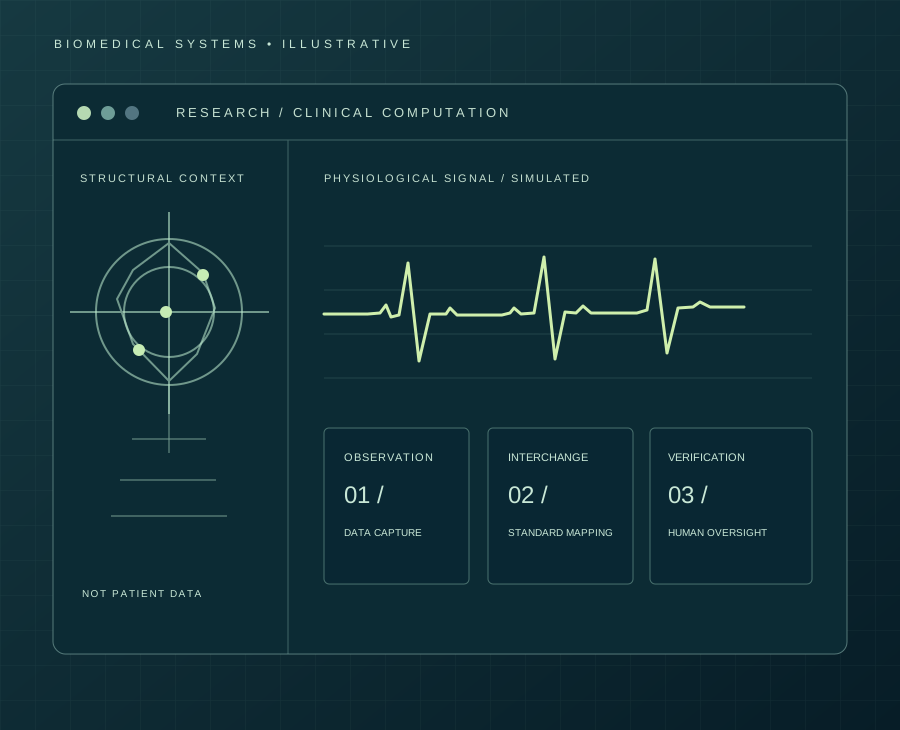 FIG. 04 / SIMULATED RESEARCH VISUALIZATION
Clinical software needs scientific context, interoperability, validation, privacy and clear human oversight.
Organ systems, physiological observations, medical vocabulary and structured clinical interpretation.
General standards and workflows around HL7 v2, FHIR, imaging exchanges and information integrity.
Simulation, numerical analysis, reproducibility, testing, cybersecurity and transparent evaluation.
Acquire context-rich biological or clinical data.
Apply terminology, standards and validation.
Interpret using documented quantitative methods.
Assess uncertainty, limits and human implications.
CONCEPTUAL WORKFLOW ONLY. No patient records, live device feeds or diagnostic decisions are displayed.
Reliable integration depends as much on well-defined workflows and operational controls as it does on standards.
Physiological observations, medical images, laboratory results, orders and documentation require provenance and shared context.
Message routing, transformations, acknowledgements and error management across healthcare systems and integration engines.
Deployment environments require thoughtful access policies, observability, encryption, availability and change management.